
A NEW DAWN AT ALEXIS BITTAR

VALŪS Spoke With the Alexis Bittar Founder to Discuss Retail, Social Media, and the Future

Interview by Kristopher Fraser
In 2015, Alexis Bittar sold his namesake jewelry company to the Brooks Brothers company in order to step away from the day-to-day of running a business and focus on his new twin babies at home (he now has a third child, with his husband Jack Miner). During the Brooks Brothers 2021 bankruptcy proceedings, Bittar was able to buy back the brand for under $3 million, a fraction of what he sold it for.
Since then, he’s worked to reinvent the Alexis Bittar label, known for its various use of lucite and costume gems combined with gold or silver plating on jewelry, as well as high-end leather accessories like evening bags. Despite stepping back into design and retail in an entirely new era, Bittar approached the new challenges with gusto, and the fruits of his labor have paid off.


Alexis Bittar the brand recently won two Webby Awards, which recognizes excellence on the internet. Bittar’s characters, Margeaux and Jules from the brand’s scripted social media videos, won Best in Community & Fan Engagement, while Bittar’s latest series, The Sexecutions of Amanda Gates (starring VALŪS Issue 002 cover star Uglyworldwide) won Best Social Storytelling Narrative. Bittar’s inspiration for his now award-winning web series came from his desire to take an unconventional approach to marketing. “I hate traditional marketing, it makes me fall asleep at the wheel,” Bittar tells VALŪS. “When I was thinking of how I wanted to approach our social media, I’d never seen a long-form narrative. I came up with the idea of a fashion telenovela that would showcase the product without directly talking about it.”
But Bittar is no stranger to pushing the envelope when it comes to marketing. Back in the late 2000s, he ran campaigns focused on ageism or featuring out trans models, long before those became hot topics. When he returned to his namesake brand, Bittar wanted to keep affordable luxury as his key pillar. “I’ve always navigated a small space in terms of the sales demographic,” Bittar said. “My brand is at a contemporary price point, but I give a very high-fashion aesthetic to it, which is noticeable in the craftsmanship. When I’m designing pieces, I’m thinking of them as collectibles that someone will want to wear in ten years.”


Jewelry collectors have been taking notice, with several of Bittar’s pieces recently acquired for the main collection of the Boston Museum. Bittar says he sees each of his pieces as “an individual sculpture and very much at the intersection of fashion and art.” He’s also heavily inspired by history, and cites the Wiener Werkstätte (a production association of creatives in early 20th century Vienna, Austria,) as one of his greatest inspirations.
Now back in control of his company, Bittar had to focus more on the business aspects. He started off by taking a direct-to-consumer approach, describing the current state of the business as “about 75 percent direct-to-consumer and 25 percent wholesale.” He’s kept his store fleet tight, with a handful of locations in New York City. Bittar also stresses how much social media has changed the retail landscape. “Social media is a paradox to me because, on one hand, society says it values individualism, then on the other hand, I log onto social media, and I see more people wanting to look the same. Social media has created this weird vacuum of individuality where there is a format people have to follow to belong to certain fashion subcultures. People have always followed trends, but social media has taken it to a whole new level.”


When thinking about what consumers want from his own business, Bittar tells us, “our customers are looking for individuality. They aren’t looking to follow mass trends, so we have a specific niche within the market. We offer something both interesting and affordable.” While many designers discuss a major turning point in their career, whether it’s seeing their pieces on a magazine cover or a celebrity wearing their clothes, Bittar said his company’s growth was much more layered. The brand grew organically in popularity over the years, and Bittar has found ways to keep reinventing it to stay relevant.
Outside of his jewelry design endeavors, Bittar has also helped spearhead the Reclaim the Flag movement with the help of the Human Rights Campaign and producer Bruce Cohen (#RTFChallenge and #ReclaimTheFlag). The movement came from a short documentary directed and produced by Bittar and co-produced with Cohen, featuring prominent LGBT voices, including artist Mickalene Thomas (an executive producer on the film), Olympian Gus Kenworthy, actor Cheyenne Jackson, comedian Harper Steele, and singer Avery Wilson. The documentary features numerous interviews where LGBT people discuss what the American flag means to them. The movement calls on those participating to: fly American flags through this year’s midterm elections; document the flag flying with pictures and videos shared on social media; and nominate three other participants to do the same.

As for his next phase, Bittar says he is a born disruptor who “just wants to keep creating beautiful work that people can afford, so everyone can be part of the Alexis Bittar journey, whether they are a collector or just enjoying it on social media. I want to keep inspiring myself and others, and keep pushing social messaging along the way.”

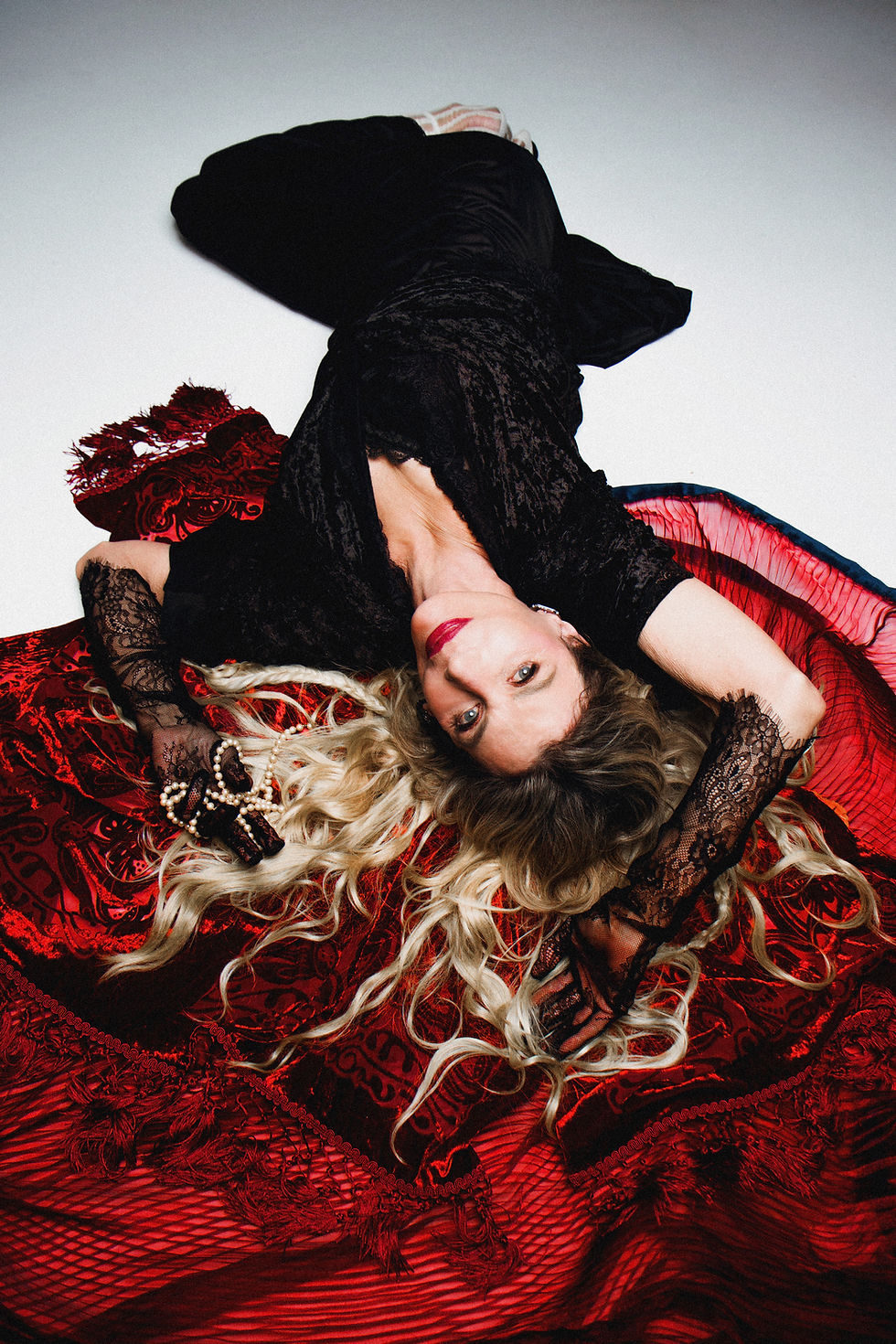
All photos courtesy of Alexis Bittar Look Book F/W '26


Comments