
PURE POP SUBVERSION WITH FLVCKKA
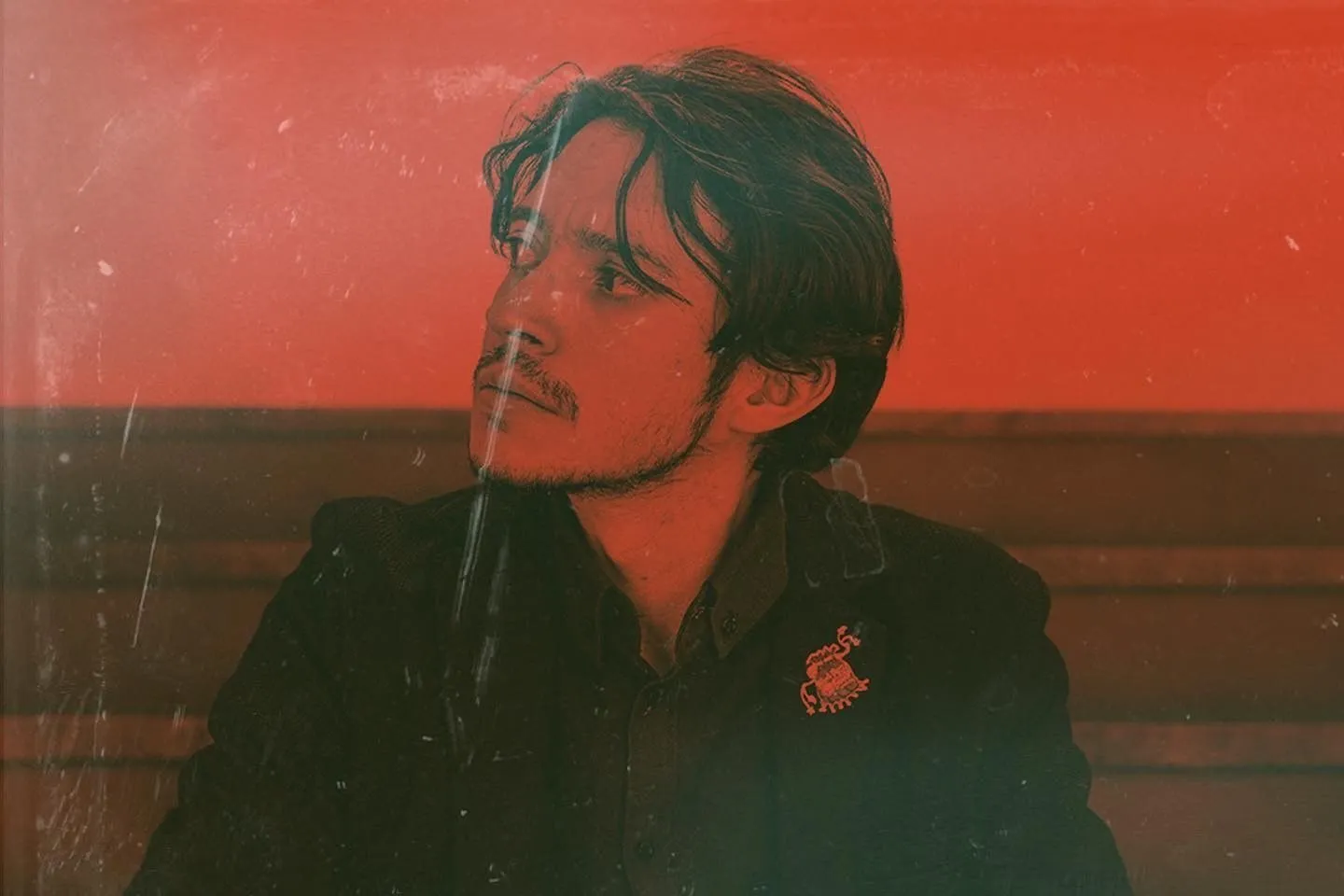
The Mexican Artist Channeling a New Global Sound

This story is taken from VALŪS Issue 005 Autumn 2026 - ORDER YOUR COPIES HERE
Inside the hyper-digital universe of Mexican singer-songwriter FLVCKKA (pronounced FLAK-uh), the world of contemporary corrido-culture undergoes a radical and glitter-soaked metamorphosis.
Born Sofía Morán, the 28 year old Guadalajara-based artist is one of the most compelling and honest female voices in Mexico’s urban music landscape, with more than 4 million monthly Spotify listeners. With her newest album "Hypercorridos Vol. 1” having been released this past Summer, FLVCKKA is pioneering a sonic movement called neo-buchonismo.
Buchonismo is the flashy lifestyle originating from Mexican drug culture, while FLVCKKA’s neo-buchonismo is a collision of music from Mexican standards like corridos (traditional narrative ballads), sierreño (acoustic and guitar-driven tracks), and banda (brass-heavy ensembles), with American hyper-pop, trap music, and R&B. Think Slayyyter crossed with Peso Pluma. It’s this surreal middle ground where El Chapo meets the characters of “Spring Breakers” (2012), and where the traditional Mexican buchón man, with his heavy gold chains, luxury trucks, trophy wives, and submachine guns, sits down to log into Neopets on a laptop covered with anime stickers.


“Neo-buchonismo started almost as an inside joke among the friends I produce and write with,” FLVCKKA tells VALŪS. “We are people who grew up in Mexico, listening to norteño,” accordion and bajo sexto guitar-based music. “But we also love global urban sounds. So, we took those traditional elements and wrapped them in a language much more experimental and global.”
The result is a neon-colored mockery, but also a tribute to the discourses and aesthetics that surrounded her childhood, taking the traditional themes that are normally portrayed in cartel-culture to their most ironic extremes. All while looking like a 2000s Bratz doll with an AK-47 as her main accessory.
"They were disruptive back then because of their short skirts and heavy makeup. Today, those same trends are back because the girls who played with them are grown up,” FLVCKKA says, visibly excited. She describes Bratz as her main style influence, alongside violence.

That is clear in "Si No Contestas" ("If You Don't Answer"), one of the standout tracks from "Hypercorridos Vol. 1," where she acts as a femme fatale addicted to dating young drug traffickers. "She's crazy, unhinged, if needed she'll pull the trigger on the cuerno (an AK-47)," sings guest artist Marcos Villalobos about her persona, while flirtatious synths and glitchy beats build in the background into a latin-trap sexual dembow.
“I like trap and corridos, violent music. In the end, both share the same conversation, the same premise. That made a lot of sense to me, putting them together. And when corrido tumbado emerged, I said: see, I wasn't the only one thinking this. We're Mexican, we like that rage.”
This isn't mere posturing; her “rage” is rooted in the reality of growing up in Northern Mexico during the height of the Drug War in the late 2000s. Raised in Chihuahua before moving to Guadalajara, FLVCKKA witnessed the normalization of extreme violence at a young age.

"Seeing bodies hanging from bridges or coolers with heads on street corners became normal," she recalls. "I wasn't involved in that world, but when you grow up surrounded by it, it stays in your mind.” Her projects are not glorifications of violence, but the appropriation of that violence to instrumentalize it against the trauma it caused.
On "NOTYPE," this emotional catharsis comes to life. In it, she blends a traditional female trap narrative of romantic desire: "I'm a flirt, I fall in love too fast," she says tenderly, before shifting into paranoid territory: "They're watching me with the empresa (the cartel)." As a hard-techno beat hammers through the strawberry-sweet, glitchy palette of its sound, the narrative turns into a story of terrifying obsession: "If he has me kidnapped, don't worry about a thing, I'll take care of the revenge."
“I write about what I've seen and experienced. I'm not going to talk about other countries; I talk about what happens in mine,” she explains. “Yes, I really have seen some horrible things; I think most of us have, and that’s why my music becomes a safe space to channel that rage, a place to throw out a few curses, put on an armor, and keep moving.”


This armor is transforming neo-buchonismo from a niche internet curiosity into a sanctuary for a generation of listeners, including a massive following within the LGBTQ+ community and young Mexican-Americans searching for an identity beyond rigid stereotypes. She’s creating a bridge between the violence embedded in contemporary Mexican culture and the global digital culture through which a new generation processes it.
“Cartel-culture is part of our culture,” FLVCKKA admits. “You don't need to be involved in dark things to appreciate a corrido or wear a cowboy hat. Music is political, and culture is a mix of horrible things and beautiful things in every country.”

TEAM
Photographer | ALAN VILLANUEVA
Producer | FRAZES CREATIVE


Comments